 Inside peaceOuter strength
fren
Inside peaceOuter strength
Rabbits can suffer from stress, just like humans and other animals. They can be sensitive to noise, strangers and changes in their environment. This can lead to health and behaviour issues.
This article identifies the signs of a stressed rabbit, plus causes and solutions. It also explores how Lactium®, a natural stress-relieving supplement, can help alleviate rabbit stress.
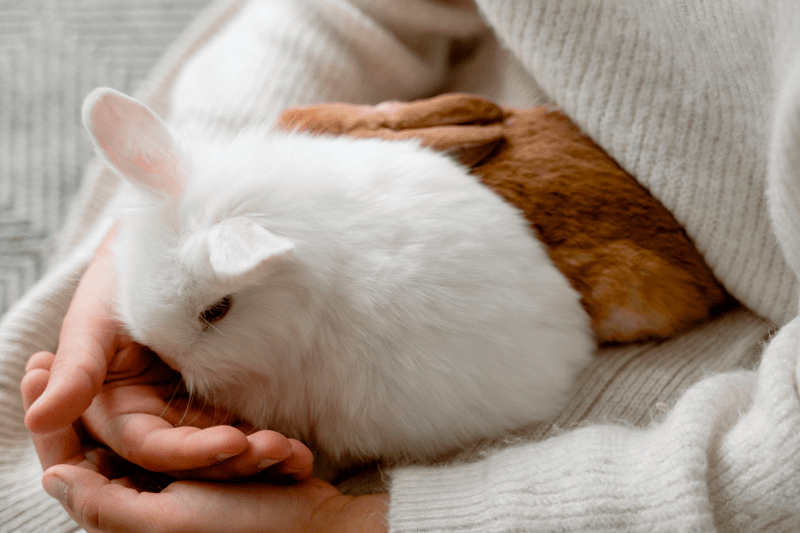
How do I know if my rabbit is stressed? If your rabbit is behaving oddly it may be suffering from stress. Signs of a stressed rabbit include:
As rabbits may play chase between them and pretend to run away from predators, always try to identify if this behavior is coupled with a possible source for stress, a change in their routine: unusual smell or noise, new pet or person, instability in their territory.
Do rabbits get stressed easily? This depends on their character. Some of the common causes of rabbit stress include:
Do rabbits get stressed when moved? The answer is yes, rabbits are highly sensitive to change and disruption, which you’ll notice if you move house or travel with them. Even changing the location of their cage can be stressful for them. They enjoy a stable and predictable territory with familiar smells.
Stress can also occur if your rabbit is experiencing health problems. Overgrooming (with alopecia, irritation) and self-biting should be a cause for vet consultation, as this could be the sign of sore hocks, skin issues or pain. Stress can in turn make your pet sick: rabbits not eating due to stress may experience gastrointestinal issues. It’s essential to monitor the situation if your rabbit won´t eat, as prolonged stress or illness can lead to conditions like GI (gastrointestinal) stasis, which is potentially life-threatening.
Rabbits are prey animals, and loud noises, other pets or sudden movements can trigger their natural flight response. Even something as simple as a bird landing too close to them can make them jumpy and stressed.
Rabbits are social animals that thrive on companionship. If your pet feels safe and comfortable it will likely follow you around and want to be near you. However, forced interaction can lead to stress, for example, being picked up for petting.
If it becomes bored your rabbit is likely to feel stressed. It will enjoy having toys to play with to keep it entertained. This also means it is less likely to chew plants or wires and other household items if it’s free roaming indoors.
Rabbits are not well-suited to excessive heat, and temperatures above 25°C (77°F) can lead to distress and health problems. Keep your rabbit’s cage shaded during the summer and ensure it always has plenty of drinking water to prevent heat stress in rabbits.
Introducing rabbits to each other must be handled carefully and progressively to avoid aggression and anxiety. Some rabbits don´t take to each other immediately which is when ‘rabbit stress bonding’ occurs. How you deal with this is crucial to avoid increasing the stress.
GOOD TO KNOW
Lactium® is a natural product that can help calm your pet if you see signs of a stressed rabbit.
Rabbits have sensitive gastrointestinal systems, and signs of a stressed rabbit can be abnormal stools or diarrhoea. These rabbit stress symptoms should be treated as as they can quickly result in dehydration.
Unfortunately, yes. Stress triggers the release of adrenaline and cortisol, which can suppress the immune system, affect digestion and lead to fatal complications.
If your rabbit is stressed you should be patient and follow these tips to reduce its anxiety :
Lactium®, a natural milk protein hydrolysate, has been proven to alleviate stress in pets during stressful situations, such as travelling, vet visits or introducing new companions. Lactium® works by encouraging relaxation without making your pet feel drowsy.
Lactium® works by reducing cortisol levels, which rise during periods of stress. By helping to regulate this stress hormone, Lactium® creates a feeling of calm and reduces your rabbit’s stress. It’s a safe and natural solution that can be included in a rabbit’s diet under the advice of your vet.
Would you like to know more about how Lactium® can help with signs of a stressed rabbit? Contact us for expert advice on products that contain Lactium® and are safe to give your rabbit.
For more information